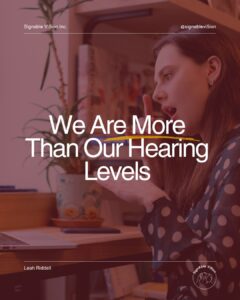
As 2024 came to a close, it’s the perfect time to reflect on what we’ve achieved, what we’ve learned, and where we can go from here. That year has been a transformative one for inclusion in workplaces, schools, and communities. From embracing accessible communication tools to fostering deeper connections with diverse individuals, we’ve taken meaningful steps toward a more inclusive world.
Here are the key lessons we’ve learned about inclusion in 2024:
1. Inclusion Requires Intentionality
Inclusion doesn’t happen by accident; it takes deliberate effort. That year, we saw organizations taking the time to assess their communication barriers, implement inclusive policies, and provide training for their teams. Whether it was offering ASL workshops or redesigning spaces to be more accessible, these intentional steps made a real difference.
Lesson: Inclusion starts with small, purposeful actions that build trust and connection.
2. Inclusive Communication is the Foundation of Success
Communication lies at the heart of every workplace and community. In 2024, more businesses embraced tools like sign language, captions, and plain language to ensure everyone could participate. By breaking down communication barriers, teams not only improved collaboration but also saw increases in productivity and morale.
Lesson: When we communicate inclusively, we empower everyone to contribute their best.
3. Accessibility Benefits Everyone
One of the biggest takeaways this year was understanding that accessibility isn’t just for a few, it benefits everyone. For example, captions don’t just help Deaf individuals; they’re useful for people in noisy environments, language learners, and those multitasking. By designing with accessibility in mind, organizations created environments that worked better for all.
Lesson: Accessibility is universal, it’s about creating spaces and systems that meet diverse needs.
4. Representation Matters
In 2024, we saw the power of representation in action. From hiring Deaf professionals to celebrating cultural heritage through events and initiatives, representation brought a deeper understanding of inclusion. It reminded us that diversity isn’t just about checking boxes, it’s about valuing people’s unique experiences and voices.
Lesson: When we elevate diverse voices, we strengthen our communities and workplaces.
5. Inclusion is a Journey, Not a Destination
Perhaps the most important lesson of all is that inclusion isn’t something we achieve and move on from, it’s an ongoing process. There’s always room to learn, grow, and adapt. By embracing a mindset of continuous improvement, organizations and individuals made strides toward a more inclusive future in 2024.
Lesson: Inclusion evolves as we evolve. The journey continues, and every step counts.
Looking Ahead to 2025
As we move into the new year, let’s build on the progress we’ve made in 2024. Here are some goals to carry forward:
- Expand Training Opportunities: Continue offering workshops on inclusive communication, ASL, and accessibility awareness.
- Assess and Adjust Policies: Regularly review workplace practices to ensure they align with evolving needs.
- Celebrate Diversity: Create more opportunities to highlight and honor diverse voices and perspectives.
Every small effort we make adds up to big changes over time. Together, we can create workplaces, schools, and communities where everyone feels seen, heard, and valued.
Let’s Keep the Momentum Going!
At SignAble Vi5ion, we’re committed to helping organizations like yours build inclusive environments through ASL training, accessibility consulting, and awareness programs.