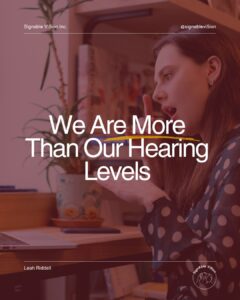
The digital scene in North America has taken a quirky turn, and it’s time we talk about it, with a splash of fun and a dose of charm! Across Canada and the United States, an interesting trend is popping up: captions that are so tiny, they could probably hide from a Canadian goose. While minimalism is cool and all, it seems some creators have taken “less is more” a bit too literally, making captions nearly impossible to read.
Let’s take a closer look at what’s going on. Captions aren’t just decoration, they’re a lifeline for Deaf and hard-of-hearing folks, as well as those watching in noisy places or with visual challenges. Imagine trying to read a microscopic caption while juggling a double-double on a busy morning commute in Toronto or navigating the hustle and bustle of New York City. Not exactly a walk in the park, eh?
So, why are captions shrinking faster than a snowflake in a Canadian sun? A few factors might be at play:
- Minimalist Vibes Gone Wild: There’s a current design trend where sleek and simple seems to steal the spotlight. Unfortunately, in our quest for a modern look, clarity sometimes gets left behind.
- Template Troubles: Many content creators rely on pre-set templates that favor style over user-friendliness. The platform defaults might look pretty, but if you squint a bit too hard, you might miss the message entirely!
- A Tiny Bit of Oversight: Sometimes, it’s just a case of not realizing the full impact. Creators might not be aware that their audience, millions strong in both Canada and the US, needs captions that are as clear as day.
The consequences are as real as a chilly winter breeze in Barrie. When captions are barely legible, frustration quickly follows. Those who rely on them for everyday communication find themselves locked out of essential information, and that’s just not on, especially when inclusivity should be our top priority.
Now, here’s the fun part: we can fix it! The solution is simple, really: let’s make captions bigger, bolder, and brighter (well, at least with enough contrast to be read without a magnifying glass). By testing different font sizes and styles with users who know what works best, creators can blend clever design with practical accessibility. It’s like having your poutine and eating it too, beauty and functionality in perfect harmony!
Moreover, tech companies and industry leaders from both Canada and the US have a golden opportunity to lead the change. By setting higher accessibility standards and working together to enforce them, they can transform digital media into a more welcoming space for everyone. Imagine a world where every caption not only informs but also delights, clear enough to read and charming enough to stick in your mind.
So let’s raise a toast (or a Tim Hortons coffee) to a future where digital content is not only cutting-edge but also inclusive. With a little creativity and a lot of care, we can make sure that every caption, no matter how small, carries a big message: everyone deserves to be seen, heard, and understood.