I’m Not Just Here for Deaf Awareness Month
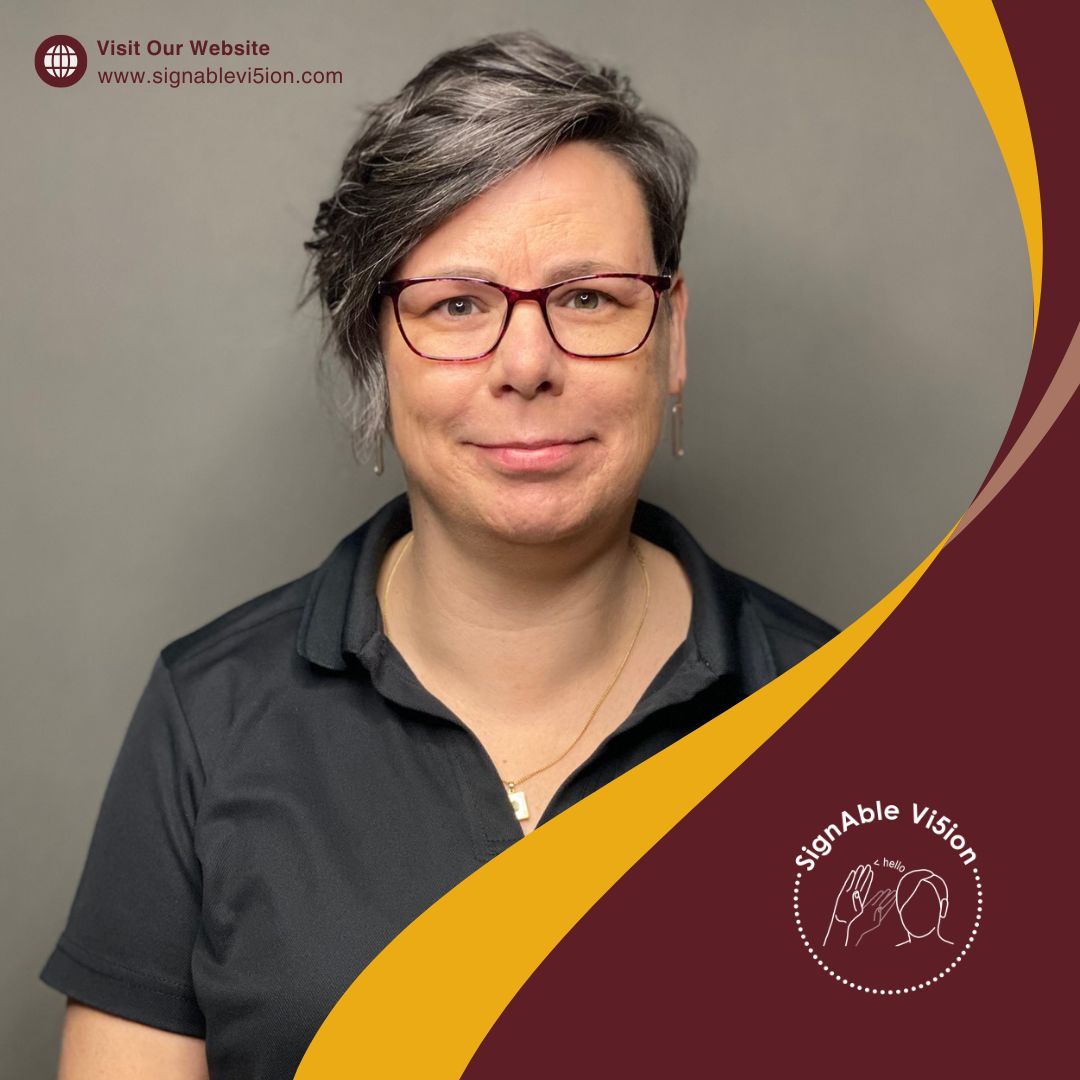
People often meet me and see “Deaf educator.” True. But here’s the part they miss:
I’m not only about Deaf and hard of hearing topics, I’m about communication. All of it. Culture, systems, workflows, policies, tech, and the everyday human habits that make workplaces better (or worse).
If you only call me for Deaf Awareness Month or Disability Day, you’re missing 11 other months of value. Awareness is a starting line, not the finish.
What I Actually Do (Besides Inspiring Panels in September)
- Build communication practices that work for everyone; Deaf, hard of hearing, hearing, neurodivergent, ESL, you name it.
- Help teams shift from “access as a favor” to access as a standard.
- Train leaders to ask, “What’s the best way to communicate with you?” and then design systems that deliver on the answer.
- Bring real talk to hiring, meetings, performance reviews, customer service, and public-facing events so no one has to fight to be heard.
This is more than accessibility checklists. It’s culture change.
How I Communicate in Meetings (and Why It Matters)
When we meet, I’ll usually ask you to voice-to-text your response; I’ll type back. It’s fast and practical in many situations, but let’s be honest: automatic captions aren’t flawless. In my experience, a big chunk of meaning goes missing; names, numbers, acronyms, tone, and context. That’s not me being picky; that’s me trying to prevent avoidable misunderstandings and rework.
I also work with ASL interpreters. When they’re present, I can fully engage, lead, and contribute. because I have a lot to say. (Ask anyone who’s booked me. 😉) Interpreters aren’t “nice to have”; they’re how we get to the real conversation.
Best practice? Pair professional interpreters with CART (human captioners) when the stakes are high—board meetings, legal/HR topics, training, or anything with dense content. Tech can support us, but humans still make accuracy happen.
Don’t Box Me In
I’m not the checkbox on your event calendar called “Deaf speaker.” I’m a consultant, educator, and artist who designs systems that reduce friction, between departments, between staff and customers, between good intentions and real results.
If your team is:
- talking past each other,
- stuck relying on heroic effort from one or two people, or
- using accessibility as a poster instead of a practice…
…I can help you move from performative to practical.
What Working With Me Looks Like
- Discovery & audit: What’s working, what’s not, and where people are getting lost.
- Training that sticks: Inclusive communication, ASL basics for context, role-based scenarios, and clear “do this next” playbooks.
- Meeting redesign: Agenda templates, interpreter/CART booking flows, camera/sightline etiquette, and follow-up protocols that don’t leave people out.
- Policy & tools: Plain-language standards, signage, email/DM norms, and platforms that support multiple modes (text, visual, ASL, voice).
- Leadership coaching: So inclusion isn’t a one-off, it’s how you operate.
A Small Script That Changes Everything
Instead of “Can you read my lips?” try:
“What’s the best way for us to communicate?”
Then, crucially, build around the answer.
Call to Action
Don’t wait for a themed month to fix everyday problems. If you want communication that’s clear, respectful, and repeatable, year-round, let’s talk. Bring your real challenges. Bring your interpreter and/or CART provider. Bring your curiosity.
I’ll bring the strategy, the structure, and yes, the stories. Because I’ve lived the gaps. And I know how to close them.