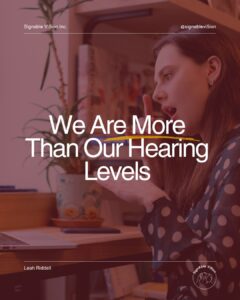
Language is one of the most powerful tools we have. It’s how we connect, share ideas, and build relationships. But in the workplace, language can also be a barrier, especially for those who communicate differently. When we embrace the power of language as a tool for inclusion, we create stronger, more connected teams where everyone feels valued and heard.
Language as a Bridge
Imagine a workplace where everyone can easily communicate; where no one feels left out because of how they speak, hear, or express themselves. That’s the potential of inclusive communication. It’s not just about words; it’s about creating bridges that connect diverse perspectives.
For example, learning a few basic ASL (American Sign Language) phrases can make a huge difference for a Deaf colleague. A simple “Good morning” or “How are you?” shows effort and care, breaking down barriers and fostering trust.
Breaking Down Barriers
Without inclusive communication, misunderstandings can pile up, and collaboration can suffer. Think about how much time is wasted clarifying things when someone didn’t feel comfortable asking questions or didn’t understand the conversation in the first place.
When teams learn to communicate inclusively – whether by using ASL, captions, or other tools – they create an environment where everyone can contribute their best ideas. Inclusivity isn’t just good for morale; it’s practical. Clear communication leads to better collaboration and stronger outcomes.
Boosting Team Morale
Language isn’t just about efficiency, it’s about connection. When people feel understood, they feel valued. And when employees feel valued, they’re more likely to be engaged, motivated, and loyal to the organization.
Inclusive communication sends a powerful message: We see you, we hear you, and we value you. It fosters a culture of respect where everyone, regardless of their background or abilities, can thrive.
Practical Steps to Embrace Inclusive Communication
So, how can your team harness the power of language to build stronger connections? Here are a few steps to get started:
1️. Learn Basic ASL:
- Offering ASL training to your team is a practical way to support Deaf employees and clients. Start with simple phrases like “Hello” or “Thank you.”
2️. Provide Accessible Tools:
- Use captions for videos, visual aids for presentations, and interpreters for meetings when needed.
3️. Encourage Open Dialogue:
- Create a space where employees feel comfortable discussing their communication preferences and needs.
4️. Celebrate Language Diversity:
- Recognize and appreciate the variety of languages and communication styles in your workplace.
5️. Lead by Example:
- Managers and leaders should model inclusive communication practices to set the tone for the organization.
The Takeaway
Language is more than just a way to exchange information, it’s how we connect and show that we care. In the workplace, embracing language diversity and inclusive communication isn’t just the right thing to do; it’s essential for building stronger, more collaborative teams.
By taking small steps to bridge communication gaps, we create workplaces where everyone feels empowered to share their “voice”. And when everyone’s voice is heard/seen, amazing things happen.
Ready to Strengthen Your Team?
At SignAble Vi5ion, we specialize in helping organizations embrace inclusive communication through ASL training and accessibility consulting. Let’s work together to build a stronger, more connected workplace.
Contact us today to get started!