Embracing Deafhood and the Power of Communication
For far too long, the Deaf experience has been viewed through a narrow medical lens, focusing on what’s “missing” rather than what’s possible. We’ve been taught to categorize ourselves with lowercase “d” and capital “D”, dividing our community based on how we became Deaf, what language we use, or how much we “fit” into the hearing world. But once people begin to understand Deafhood, they see that there is no true division. We are all on the same path, just shaped by different upbringings, life experiences, and communication approaches.
This journey should never be about separation. It should be about connection.
Many seniors, for example, who become deafened later in life could have eased into their new reality with less struggle if they had access to Deaf community wisdom, culture, and most importantly, sign language. Instead, many are isolated, handed hearing aids, and left to navigate a world that no longer sounds the same, without the visual language that could bridge the gap.
Meanwhile, agencies and institutions often downplay sign language, not because it’s not effective, but because it doesn’t fit into their funding model or sales pitch. There’s profit in keeping people dependent on devices and services, but far less investment in true communication access. And that’s a problem. While they’re selling solutions, the Deaf community is offering connection. We’re here trying to bring people in, not shut them out. We sign to ease worry. We gesture, write, draw; anything to communicate and build bridges.
We don’t need to be “fixed.” We need to be understood.
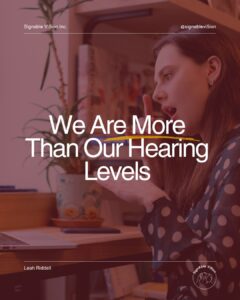
It’s time to move away from the “d/D” labeling that only feeds more division and confusion. Deafhood shows us that identity is not binary. It’s layered, evolving, and deeply rooted in shared values of language, culture, and community. Sign language is not just for Deaf people, it benefits everyone. It’s a visual, expressive, and accessible way to connect, especially in a world where communication barriers still run deep.
Let’s shift the narrative. Let’s stop defining people by what they can or cannot hear and start recognizing the richness they bring through how they communicate.
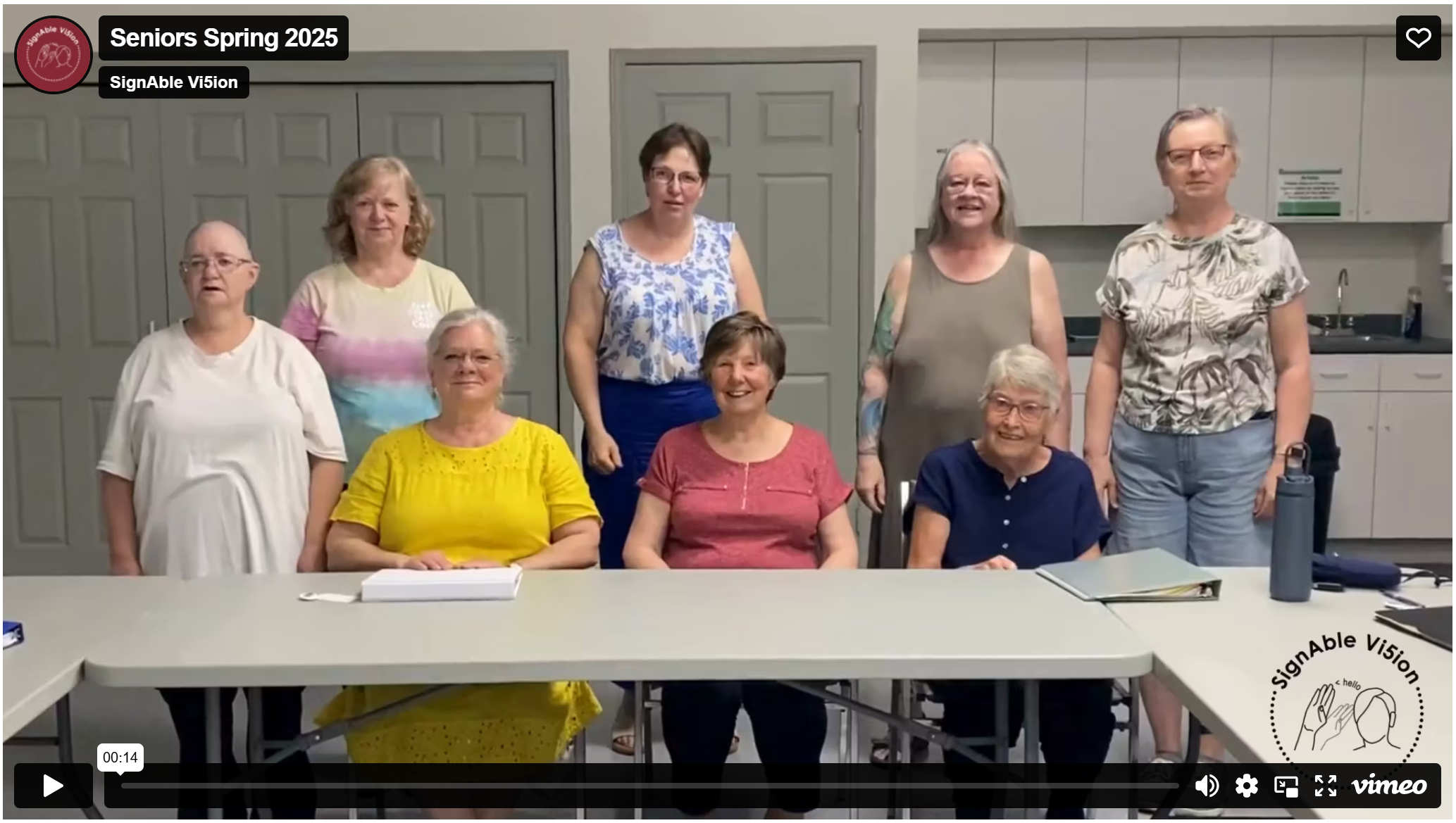
I also want to applaud the amazing souls, seniors and beyond, who’ve taken the initiative to learn sign language for themselves. It’s never too late. I recently taught ASL at our local Senior Centre, and the enthusiasm was incredible. Yes, seniors can learn ASL, and they thrive when given the opportunity to connect in new ways.